
The big chain model optimized for speed and volume. Online pharmacies optimized for convenience. Automated dispensing systems, chatbots for medication questions, 90-day supply algorithms that refill your prescription before anyone has asked how you are doing. All of it designed to move more prescriptions through the system with fewer people involved.
And yet, patients are not doing better. Medication non-adherence remains one of the most persistent and costly problems in American healthcare. People are managing more complex conditions with more medications than any previous generation, often with less real guidance than they need. The system got faster, sure. But has it gotten more effective at helping people feel better?The missing piece is not a new app or a smarter algorithm. It is what pharmacy has always been at its best: a knowledgeable person who knows you, who takes the time to understand your situation, and who can do something about it.
Pharmacy Has Always Been a Human Practice
Long before large-scale pharmaceutical manufacturing existed, compounding was pharmacy. Apothecaries prepared every medication from ingredients, customized for each patient, in consultation with the physicians who cared for them. The pharmacist was not a dispenser. They were a clinician and a craftsperson, deeply embedded in the life of their community.
That model did not survive industrialization intact. Mass manufacturing made medications more consistent, more accessible, and far less expensive at scale. Those are genuine gains. But since then, the transaction has replaced the pharmacy-patient relationship, and something important was lost in that exchange.
When a pharmacist knows your name, your medications, your history, and your family, they catch things that a system never would. They notice when something does not add up. They make the call. They follow up.
That is what excellent care actually looks like.
What High-Volume Models Gets Wrong
The chain pharmacy model serves real needs, and for straightforward prescription fills it works. But it has structural limits that have become more visible as patient needs have grown more complex.
Volume does not leave room for judgment
A pharmacist filling hundreds of prescriptions a day under performance metrics tied to speed does not have space to notice that the new medication you were just prescribed interacts with something you have been on for years. They may catch it in the system. They may not have time to call your provider about it, or to explain what it means to you.
Judgment takes time, but it also takes a pharmacist who knows their patient. The time needed to build that relationship is exactly what the high-volume model is designed to minimize.
Standardization cannot account for the individual
A mass-manufactured medication comes in a fixed dose, a fixed form, and a fixed set of inactive ingredients. For most patients, that is fine. For a patient with a dye sensitivity, or a child who cannot swallow pills, or someone managing a rare condition where a standard dose is not therapeutic, the standard product simply does not work. The chain pharmacy has nowhere to go from there. The referral is elsewhere.
Convenience is not the same as access
Online pharmacy and mail-order models have made it easier than ever to refill a prescription without leaving your house, but convenience and access are not the same thing. When your medication is on backorder, when your dose needs to change, when you are having a side effect you do not understand, when you need someone to actually talk to, a website or chatbot is not the same as speaking to your neighborhood pharmacist.
The Case for Community Pharmacy
Community-centered pharmacy is not a nostalgic idea. It is a clinical model that has consistently demonstrated better patient outcomes than high-volume alternatives, particularly for patients managing chronic conditions, complex medication regimens, or needs that fall outside what a standard product can address.
What makes community pharmacy work is not the size of the building or the absence of a corporate logo. It is the presence of a pharmacist who has the time, the knowledge, and the authority to actually help.
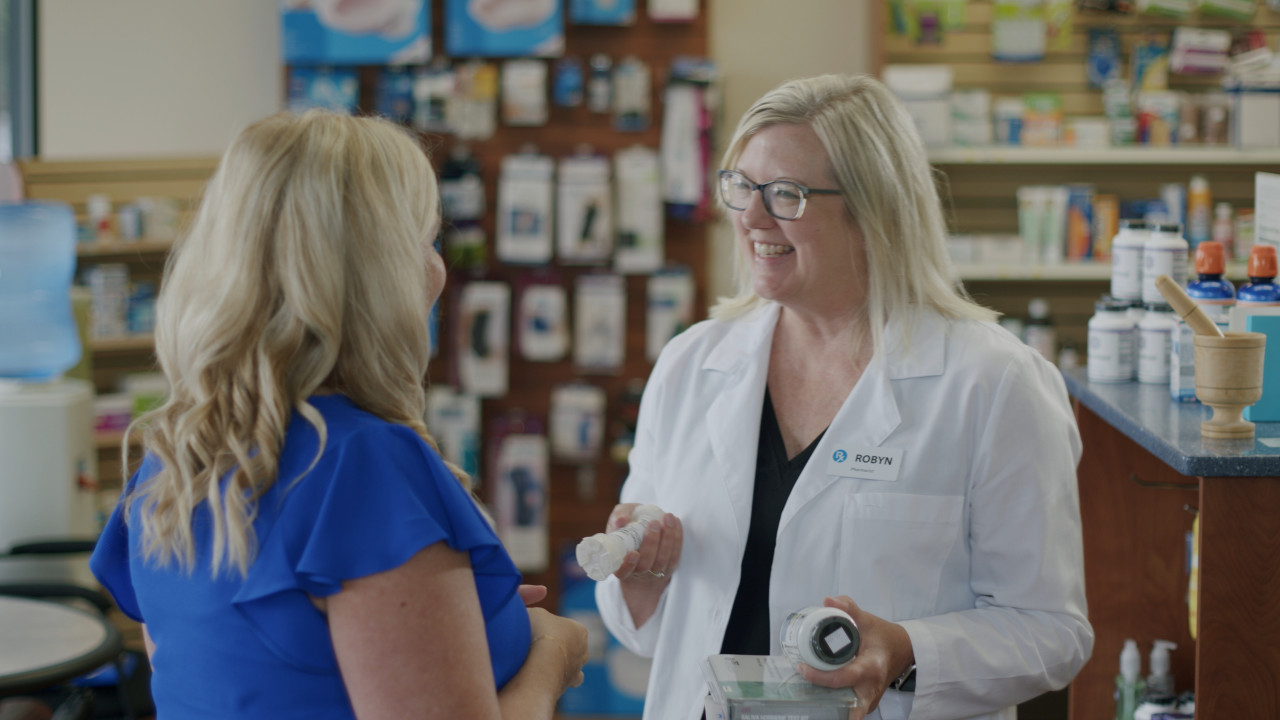
A pharmacist who knows your name
This is not a small thing. Research consistently shows that therapeutic relationships between patients and their healthcare providers improve adherence, improve outcomes, and improve the likelihood that a patient will reach out when something is wrong. A pharmacist who knows you is a pharmacist who will notice when you stop picking up a medication, or when a new prescription looks like it does not fit your history, or when you seem different than you did last month.
That level of attention is not scalable in a high-volume environment. It is the defining feature of community pharmacy.
Collaboration with your care team
Community pharmacists work alongside the physicians, nurse practitioners, and specialists who prescribe for their patients. When something needs to change, that conversation happens directly and quickly. The compounding pharmacist and the prescribing provider are partners in the patient's care, not strangers processing the same paperwork through different systems.
At The Compounding Lab, our pharmacists collaborate closely with providers across the Dayton area. When a patient's needs fall outside what a commercial product can offer, we are already part of the conversation.
Where Compounding Fits In
If community pharmacy is the human core of this model, compounding is where the art and the science meet.
Compounding is not a workaround or a last resort. It is the practice of customizing a medication to fit the person taking it, using pharmaceutical-grade ingredients, precise formulation techniques, and deep clinical knowledge. It has existed as long as pharmacy itself, and it remains essential today precisely because no mass-manufactured product can anticipate every patient's needs.
The patient who needs a different dose. The child who requires a flavored liquid instead of a tablet. The person whose medication was discontinued and who has no commercial alternative. The patient with sensitivities to inactive ingredients that are standard in every version of their prescription. The woman managing menopause who needs a hormone formulation tailored to her specific lab values and response. The pet who will not take a pill in any form, but will happily accept a triple fish (salmon, tuna, and sardine) flavored medication, or a transdermal gel applied to their ear.
These are not edge cases. They are everyday patients with everyday needs that a standardized system is not designed to meet.
Compounding combines the precision of modern pharmaceutical science with the judgment, care, and flexibility of a pharmacist who is treating a person, not a diagnosis. That combination is not a throwback. It is exactly what pharmacy should be.
Where Technological Innovation Enhances Care
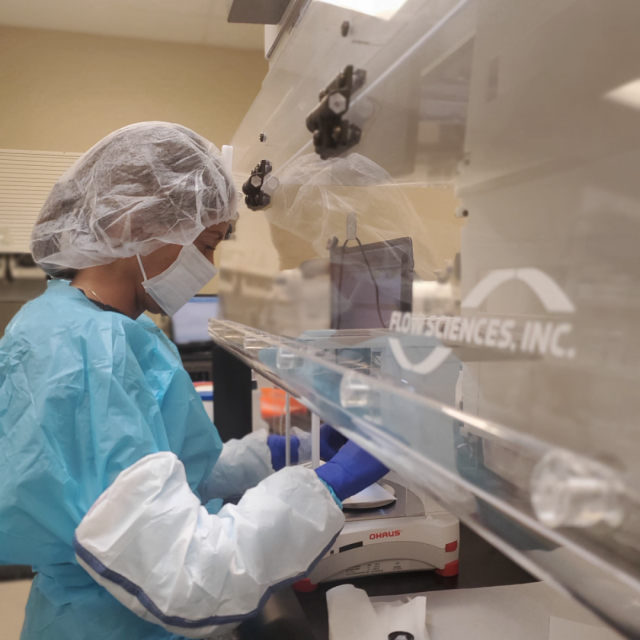
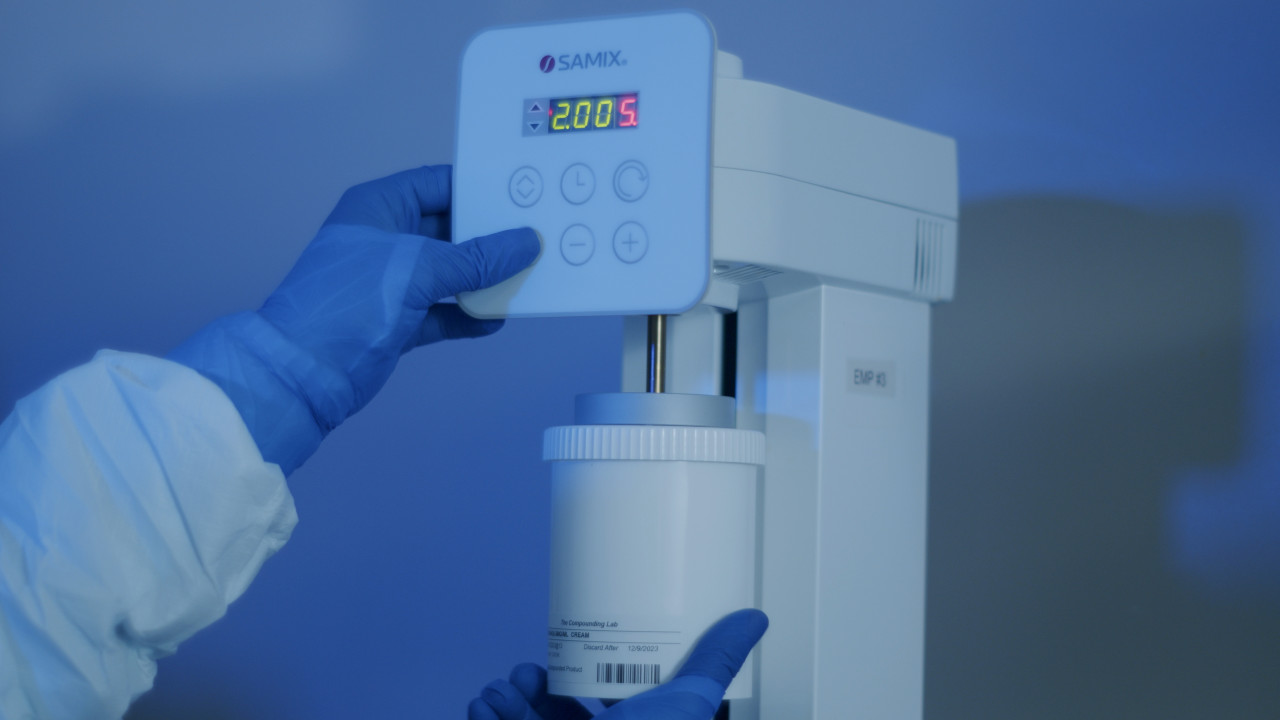
It would be wrong to suggest that the future of pharmacy is low-tech. The compounding pharmacies doing the best work for patients are deeply invested in pharmaceutical science, quality controls, sterility standards, and formulation research. The tools available today allow for levels of precision and customization that previous generations of apothecaries could not have imagined.
But technology in service of the patient is very different from technology in place of the pharmacist. The best version of pharmacy in 2026 is a compounding pharmacist who has access to sophisticated formulation capabilities, a strong collaborative relationship with the prescribing provider, and the time to sit with a patient and understand what they actually need.
That is the model that has worked for centuries. The tools have improved. The human at the center of it has not been replaced.
This Is What We Believe at Clark's Rx The Compounding Lab
We are a community pharmacy in Huber Heights with more than 75 years of Clark's Rx history serving our neighbors. We have been part of this community across generations of patients and providers. We know what it means to be the pharmacy that people call when they cannot get an answer anywhere else.
Our pharmacy team takes the time. They know the people who come through our door. They work with prescribers, they follow up, and they build medications from the ground up when the standard options fall short.
We believe the future of pharmacy looks more like that, not less. And we believe it has always looked like that, when it is working the way it should.
If you are looking for a pharmacy that treats you as a person rather than a prescription number, we would love to be that for you. Reach out at (937) 723-2885 or visit us at 7415 Old Troy Pike in Huber Heights.
Note: This blog is for educational purposes only and does not replace medical advice. For questions about your medications or care, please consult your healthcare provider or pharmacist.